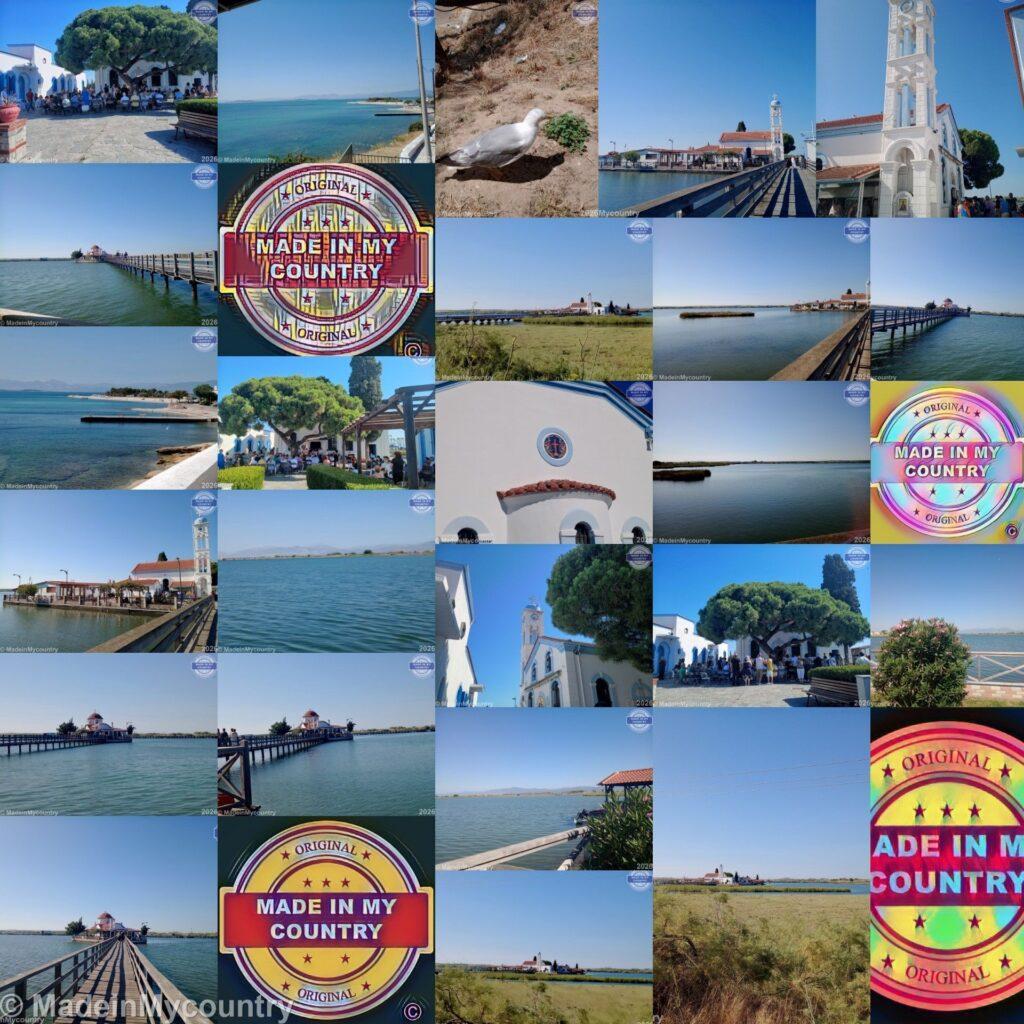
A brief historical look into the Aegean sea of Greece’s Cycladic art, which spans thousands of years !!
The Hellenic (Greek) Cyclades Islands are one of the most idyllic island groups in the Aegean Sea of Greece, and they constitute an amazing destination for visitors arriving from around the world.

Their name is derived from the imaginary circle they form around the sacred island of Delos. According to Greek mythology, Poseidon (Ποσειδων) transformed the nymphs called Cyclades (Κυκλαδες) into islands when they caused his wrath. Today, the vibrant natural light, the charming coexistence of white and blue in Cyclades’ architecture, and the untamed landscapes with solitary chapels make visiting the Cyclades a truly unique life experience!
Hellenic (Greek) Cycladic art refers to the ancient visual culture and craftsmanship of the Bronze Age Cycladic civilization, which flourished across the islands of the central and southern Aegean Sea of Greece (Hellas) from roughly 3300 to 1100 BCE.
Cycladic art reflects the prehistoric artistic tradition of the Cyclades islands, best known for its minimalist marble figurines—especially folded‑arm female figures—alongside marble vessels, pottery, metalwork, and seafaring motifs.

Key Features of Greek (Hellenic) Cycladic Art:
Marble Figurines (Idols): The most famous creations are minimalist, anthropomorphic marble figures—most notably nude females with folded arms (left arm over right) and a gently tilted head. They range in size from tiny pocket pieces to near life-size statues.
Original Paint: Though they look stark white today, they were originally decorated with bright mineral pigments like azurite blue and cinnabar red to mark eyes, hair, and facial features.
Marble Vessels and Tools: Artisans crafted elegant marble bowls, cylindrical vases, and flat, decorated circular objects known as “frying pans” (likely used as mirrors or for ritual purposes).
Functional Pottery: Island makers also shaped hand-made black, reddish, and buff-colored ceramic pyxides (small boxes) and collared jars.

Historical Eras and Evolution:
Early Cycladic I (c. 3200–2700 BCE): Characterized by simple, abstract violin-shaped figurines and early naturalistic forms (such as the Plastiras type).
Early Cycladic II (c. 2700–2300 BCE): The “golden age” of Cycladic sculpture, defined by the classic canonical figures with folded arms (such as the Spedos and Dokathismata types) as well as rare male musicians playing the harp or pipes.
Early Cycladic III (c. 2300–2000 BCE): A transition period marked by changing styles and the gradual decline of marble carving traditions.
Meaning and Purpose:
Funerary Context: The majority of complete figurines have been excavated from graves, suggesting they played an important role in burial and afterlife rituals.
Symbolic Interpretations: Scholars debate their exact meaning, linking them to fertility symbols, mother-goddesses, or guides for the soul, though their exact religious or social function remains an archaeological mystery.
Influence on Modern Art:
In the 20th century, modern sculptors and painters—including Pablo Picasso, Constantin Brâncuși, and Amedeo Modigliani—drew deep inspiration from Cycladic art.
Its clean lines, geometric simplification of the human body, and focus on essential form helped shift Western art away from academic realism toward early abstraction.
Where to See It:
Major collections are housed at:
The Museum of Cycladic Art in Athens
The National Archaeological Museum.
You can also visit local Cycladic island museums such as:
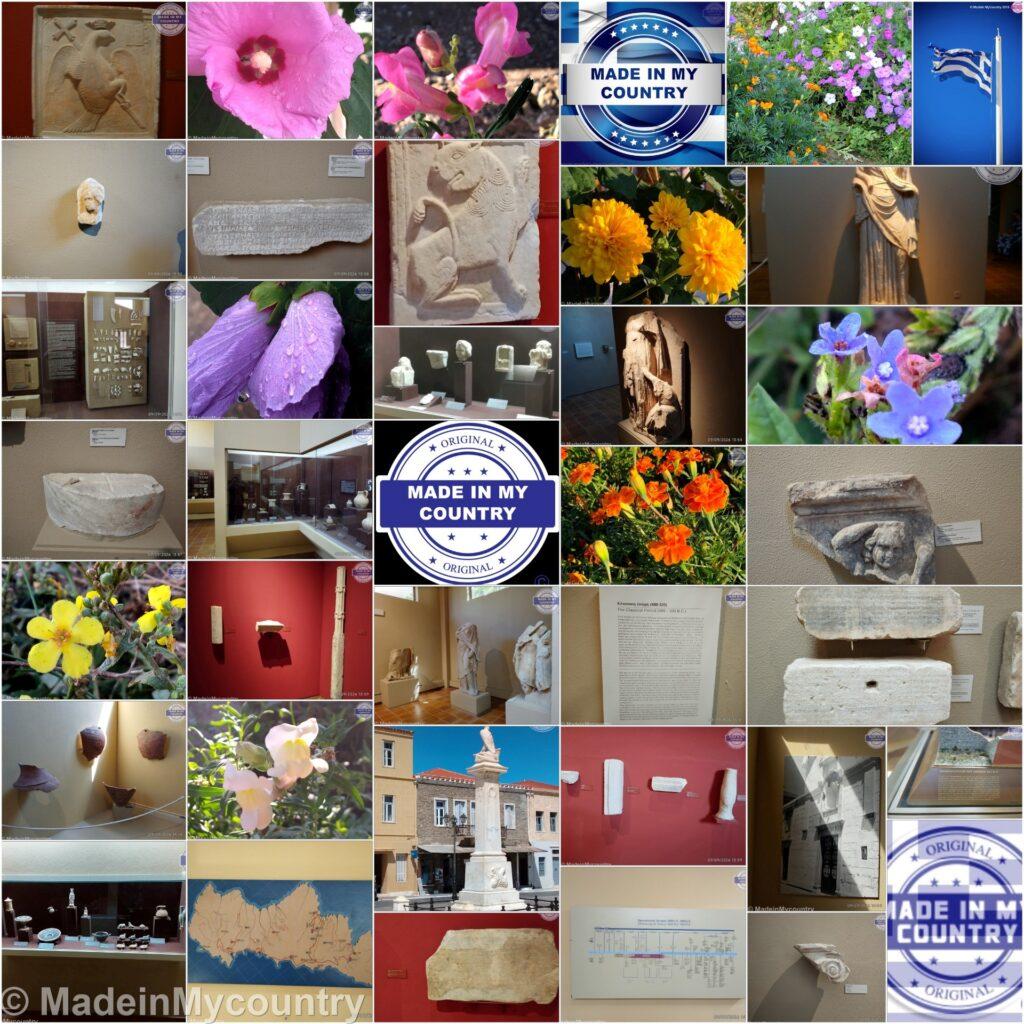
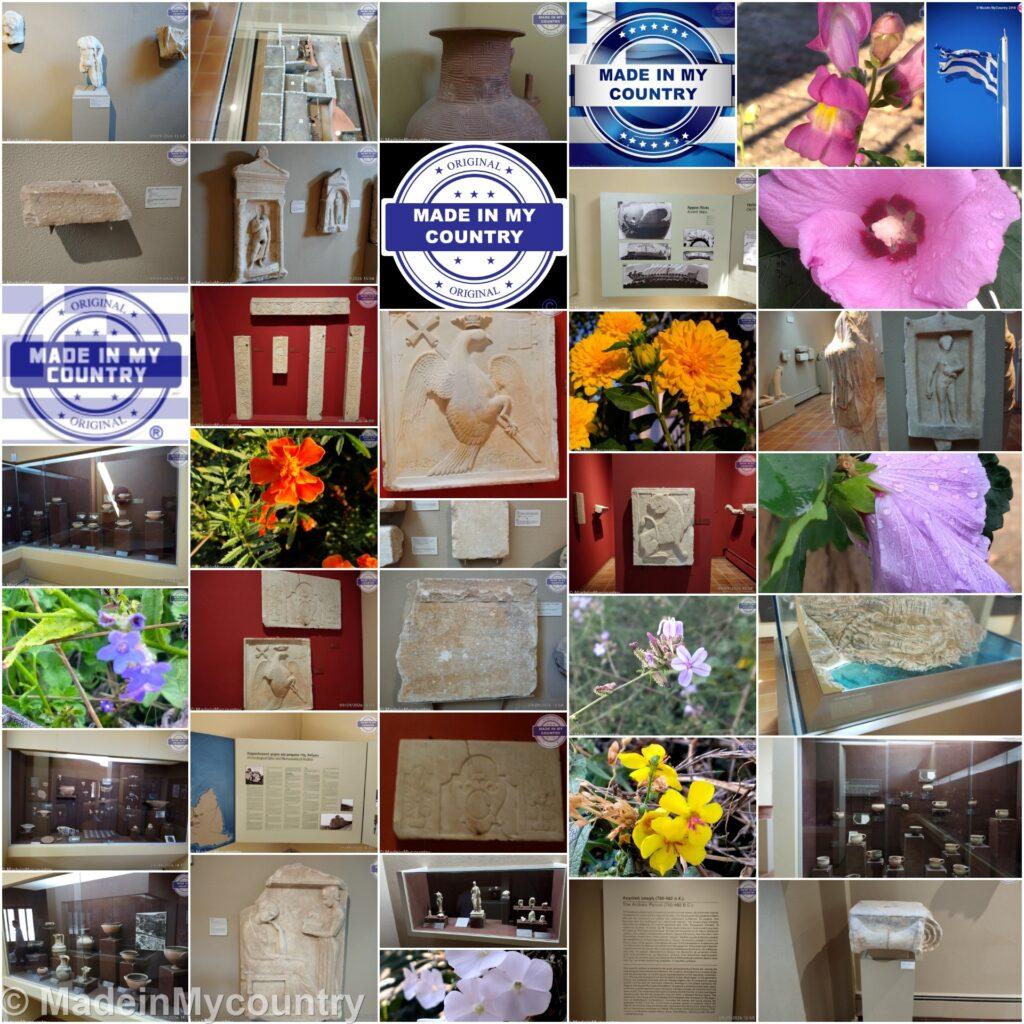
The Archaeological Museum of Andros.
(https://cyclades.culture.gov.gr/en/location/the-archaeological-museum-of-chora-andros/)
The Aegean sea of Greece (Hellas), Cyprus and the Greek islands!! MadeinMycountry is a global platform that celebrates and supports local history, culture, art, and nature conservation efforts.For two decades, we have been sponsoring local museums, cultural organizations, travel destinations, historical sites, and various cultural events around the world.
MadeinMycountry: The largest independent, ad-free, uncompromising unique network of its kind In the world !!
#MadeinmycountryGR,#Cyclades,#CycladesIslands,#GreekCyclades,#MadeinMycountry,#MadeinGreece,#Greece,#Hellas,#Aegean,#Cyprus,#GreekIslands,#MacedoniaGR,#ItisMadeinMycountry,#MadeinMycountryEU,#MadeinMycountryCY,#Culture,#GreekCulture,#GreekHistory,#GreekHeritage,#GreekNature,#BestofGreece,#FeelthebestofGR,#Andros,#Mykonos,#Santorini,#Nature,#TourAegean,#TurAegean,#GreekAegean,#AegeanSea,#GreekIslands,#GreekIslandParadise,#MadeinGreeceCyprus,#GreeceCyprusAegeanIslands,#TheAegeanSeaofGreece